A soldier goes to Georgia
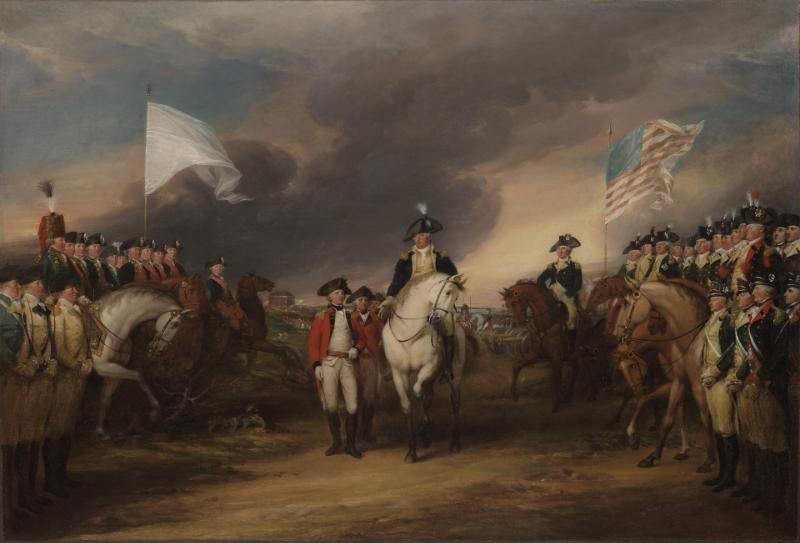
John and Agnes’s son John Waller Key, born on 11 May 1754, served as a private in the Virginia line during the Revolution. The Sons of the American Revolution and the Daughters of the American Revolution both recognise his service. He married Virginia Wade, called Jinny.
Gone to Georgia
About 1787 he took his family about 350 miles south-west to Franklin County, Georgia, red-clay hill country at the edge of Cherokee territory, with his brother Joseph and sister Elizabeth. Thousands of Virginia families made the same move after the war, looking for new land.
The old soldier draws a lot
Georgia gave away land taken from the Muscogee (Creek) people in a state lottery, and veterans of the Revolution who swore to their service got extra draws. On the 28th day of the drawing, 7 April 1827, the Franklin County list shows “Kee, John Waller R.S.” of Captain Jones’s district. “R.S.” was the lottery’s mark for a Revolutionary soldier. He drew Lot 94 in the 3rd district of Troup County. His son was in the same drawing: “Kee, Pierce soldier” drew Lot 94 in the 7th district of Carroll County.
A dollar each
“Being sick and weak in body, but of perfect mind and memory,” John W. Key signed his will on 2 December 1827. He left one dollar apiece to his daughters Lucinda Steel, Aggy Harrilson, Elizabeth Embry, Patty Thomas and Sally Baily and to his sons Peirce, Talbird and George W.; twenty dollars to his daughter Winny Embry at her mother’s death; and a tract on Beaverdam Creek to two grandchildren. Everything else went to “my beloved wife Jinny Key during her natural life.” One-dollar bequests like these usually mean the children had already had their shares. He told his executors to sell “the lot of land which I drew in Troup County” for Jinny’s support. Two neighbours swore to the will in court on 3 March 1828, so he died that winter.