Fifty acres a head
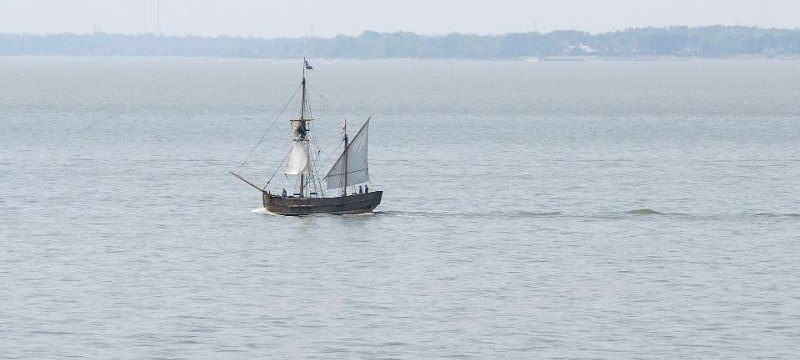
The Battes’ 5,878 acres were earned by the people on their list, but the Keys received none of it. Headrights rewarded the person who paid the fare, not the person who made the crossing.
Working off the fare
Most people who came this way were indentured servants. In exchange for the crossing they worked for whoever had paid, usually for four to seven years, clearing ground and tending tobacco, and then went free, usually with some corn and a suit of clothes as their “freedom dues.” That is the likeliest story for the Keys, though no contract or court record tells us their terms.
The first years were the most dangerous. Newcomers called the first Virginia summer the “seasoning,” when fevers carried off many who had survived the voyage. The Battes’ list helps show how long the gathering took: William Batte the younger is counted “2 times,” for two separate crossings, so the 118 names were collected over many years before the patent was finally issued.
Who stayed
Most of the eleven Keys vanish from the records after 1668. Some probably died in their first hard years; others may have gone home. John the younger and Edmund stayed, and within a few years both turn up again on the Mattaponi River, forty miles to the north.